



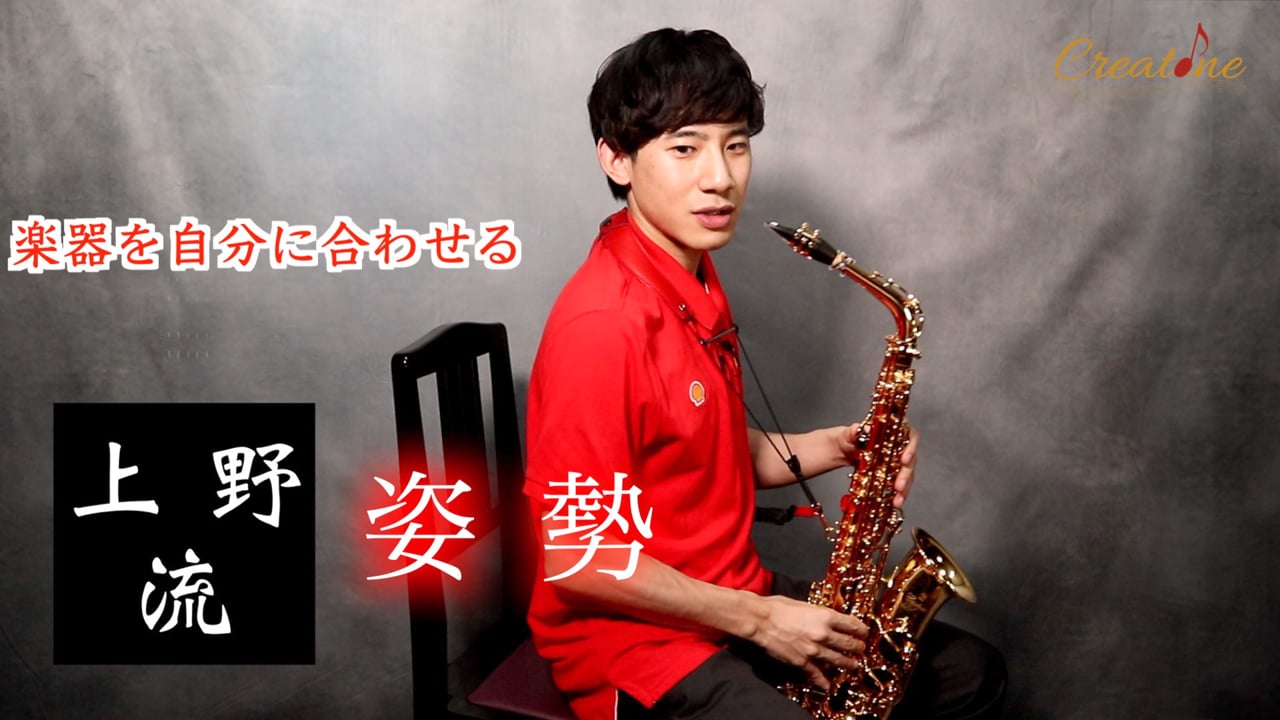
The Saxophone Tonguing Revolution: Mastering Clear Articulation Through Breath Attacks
Is over-reliance on tonguing making your articulation heavy or causing delayed note onsets? The true essence of tone production on the saxophone actually lies in "breath on/off" control. By setting aside the concept of tonguing and refining your initial breath speed, you can achieve clear and free attacks. This training method, which overturns conventional wisdom about articulation, is designed for players of all levels.

Ideals and Realities of Percussion Triangle: Techniques to Maximize Resonance
The triangle demands a delicate sense among all percussion instruments. Learn how to suspend it without dampening the resonance, how to handle the beater, and the key points for producing an ideal tone.

Solistic Vibrato on the Flute: Crafting a Rich, Expressive Sound That Captivates Your Audience
In flute performance, vibrato is one of the expressive elements that most strongly reflects a player's individuality. However, simply oscillating the tone will never produce a truly solistic brilliance. The key lies in how you control the speed and depth of your vibrato to match the movement of the melody, dynamics, and harmonic resonance. Master the art of refined, expressive vibrato that reaches deep into the hearts of your listeners.
![[Saxophone] Mastering Reed Vibration: Embouchure and Pressure Control Training](https://i.vimeocdn.com/video/1845337756-ca6102363c726345bfa6a26212f81ff981822c11af8639635b28f5981157214c-d_1280x720?&r=pad®ion=us)
[Saxophone] Mastering Reed Vibration: Embouchure and Pressure Control Training
In saxophone performance, understanding and properly harnessing reed vibration is the foundation for producing a beautiful tone. By securing space for the reed to vibrate and heightening your awareness of applied pressure and embouchure, your tone quality will dramatically improve. This article explains specific training methods for mastering reed vibration through a wah-wah exercise on the note G.

Steps to Refine Your Saxophone Tone
To refine your saxophone tone, it is essential to set clear goals in your fundamental practice and select the right instrument and accessories. By being mindful of what to focus on during long tone and vibrato exercises and setting specific targets, you can achieve a more natural and beautiful tonal expression.
![[Trumpet] Achieving Smooth Fingering: A Conceptual Shift and Practice Steps to Optimize Finger Movement](https://i.vimeocdn.com/video/1872858194-49cf3245bfd33c680e61a677fe1d156db6796bb3365adb71230706ba51217bd8-d_1280x720?&r=pad®ion=us)
[Trumpet] Achieving Smooth Fingering: A Conceptual Shift and Practice Steps to Optimize Finger Movement
Many trumpet players struggle with fingers not moving smoothly or difficulty executing fast passages. In addition to the traditional method of practicing with varied rhythms, this article provides detailed explanations of specific strategies and practice steps for achieving smooth fingering, including the conceptual shift that practicing with your non-dominant hand improves your dominant hand's dexterity, and exercises using a BERP to coordinate tonguing with finger movement.
![[Oboe] Experiencing Finger Flexibility: From Concept to Practice — Body Mechanics for Achieving Smooth Fingering](https://i.vimeocdn.com/video/1845714609-3e5e567ece97a0c04fa1b857493df6db7ce00af2160f308721138bae949a7398-d_1280x720?&r=pad®ion=us)
[Oboe] Experiencing Finger Flexibility: From Concept to Practice — Body Mechanics for Achieving Smooth Fingering
In oboe performance, many players face problems such as "stiff fingers" and "unsmooth fingering." Finger flexibility is not just a theory — it can only be truly acquired through physical experience and practice. This article begins with the concept of finger flexibility, then explains how to physically experience and implement it, offering methods to improve fingering in oboe performance.

Horn Vibrato: The Default Is "Don't Use It." Reserve It for Solo and 1st Horn Expression
Horn vibrato is often taught as something you "shouldn't use," yet some virtuosos clearly sound as though they do. The fundamental approach is to keep things steady as a harmony instrument. For 2nd through 4th horn parts, accompaniment, and inner melodies, vibrato is generally unnecessary. However, for 1st horn and solo passages, vibrato can serve as a valid expressive tool—whether applied intentionally or not. This guide rejects vibrato used as a cover-up and outlines the criteria for deciding when it is truly needed.
![[Flute] Fundamentals of Tonguing and Double Tonguing: Steps to Refine Your Tone](https://i.vimeocdn.com/video/1872807884-db97fef2ec6f8c4827df574f7cfe09ec1149344d7f9822d72e9f68993ecd6a35-d_1280x720?&r=pad®ion=us)
[Flute] Fundamentals of Tonguing and Double Tonguing: Steps to Refine Your Tone
Learn the fundamentals of flute tonguing and double tonguing, and master the steps to refine your tone. Tonguing is about "separating with the tongue," not cutting notes short. It is essential to maintain long tone quality while distributing energy (air) with the tongue. In double tonguing, the flute has the advantage of free lips, making it relatively easier to learn. You separate notes with "Toh-Koh-Toh-Koh" using the K sound. This article provides a detailed guide on the specific steps to refine your tone.
![[Trombone] From Concept to Physical Sensation in Lip Slurs: Practice Methods for Achieving Smooth Note Transitions](https://i.vimeocdn.com/video/1872843918-7f4421975563c5294145950cbbe00faf24582b9bb2b25b6a001e758df7eda593-d_1280x720?&r=pad®ion=us)
[Trombone] From Concept to Physical Sensation in Lip Slurs: Practice Methods for Achieving Smooth Note Transitions
In trombone playing, it is important not only to understand the concept of lip slurs but also to physically experience them in actual performance, integrating airflow and lip vibration holistically. This article explains the causes of and solutions for unsmooth lip slurs, broken lip slur practice methods, and the approach from concept to physical sensation.

Orchestral Excerpt for Horn (Beethoven Symphony No. 7, 1st Movement): Preparation for Hitting the A and Intonation Choices
Beethoven's Symphony No. 7, 1st movement is a frequently assigned orchestral excerpt for horn auditions. What evaluators look for is the reliability of hitting the A and the musicality of the phrase that follows. By completing your embouchure preparation during the fermata and building a routine that eliminates chance, you establish consistency. Additionally, intonation in sharp keys—where horn players tend to struggle—requires careful fingering choices and adjustment by ear.
![[Euphonium] Mastering Full Breath: Practical Checkpoints for Calibrating Your Breathing Scale](https://i.vimeocdn.com/video/1845688651-d2a3998a60103e04135150df06a20c8c207aeb2cc22cb13fd90b4357db37d974-d_1280x720?&r=pad®ion=us)
[Euphonium] Mastering Full Breath: Practical Checkpoints for Calibrating Your Breathing Scale
In euphonium performance, developing an intuitive sense of breath capacity is an essential foundation for producing a stable tone and expressive playing. By establishing a graduated scale from 0 (empty) to 6 (maximum) and finding the "5.5" threshold -- where your body remains free of tension while taking in the highest quality breath -- you can produce a rich, resonant sound while avoiding excessive tension. This article provides a detailed explanation of specific training methods for calibrating your breathing scale, along with practical checkpoints.
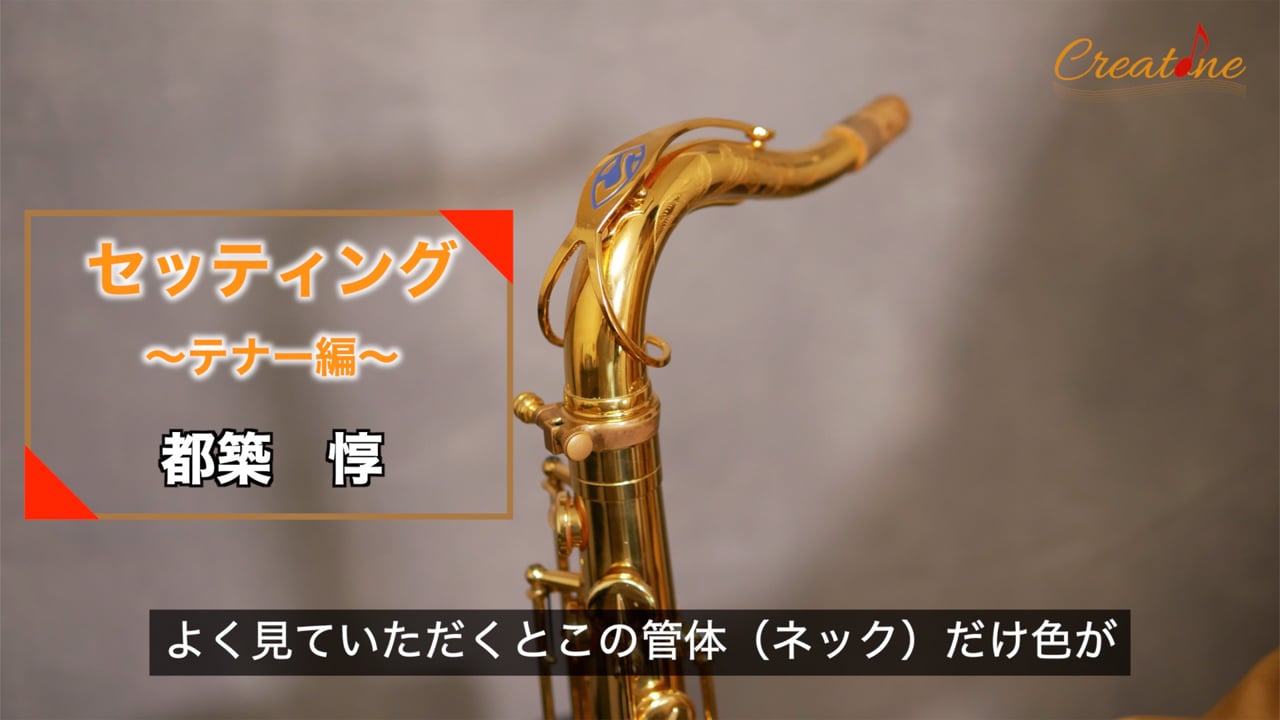
Tenor Saxophone Setup: From Choosing Your Instrument to Selecting Reeds
Your tenor saxophone setup—the combination of instrument, mouthpiece, ligature, and reed—has a major impact on your playing. Rather than sticking to a fixed setup, adapting your configuration to different situations allows you to achieve better tone and expressiveness.

Horn Right Hand Shape: A Cupped Hand for Soft Tone, Flat Hand + Bell Down for a Core That Cuts Through Brass
The horn's right hand can dramatically change tone color and core not just by position, but by its shape and the direction of the bell. When you want to blend with woodwinds or strings, cup your right hand to create a soft, round resonance. When you need to project with the same dynamics as the brass section, straighten your right hand, angle the bell downward, open your chest, and bring the instrument forward. This lesson organizes how to switch between these approaches for different musical contexts.

Horn Orchestral Excerpt (Beethoven Symphony No. 2, 2nd Movement): Play Light Like Falsetto and Stand Out with Directional Phrasing
The horn part in Beethoven's Symphony No. 2, 2nd movement, is a notoriously tricky orchestral excerpt that often turns into a hit-or-miss gamble. That is precisely why, rather than simply attacking every note squarely, you can make a difference by adopting a light setup — like singing in falsetto — to create flow, and by showing musicality through directional phrasing across bar lines. This lesson organizes an approach for demonstrating "your own music" in an audition.

Mastering Percussion Technique: Enriching Expression with Grace Notes
In percussion performance, grace notes are essential elements that enhance the main notes. Learn specific playing techniques focused on tonal cohesion and stick height control.
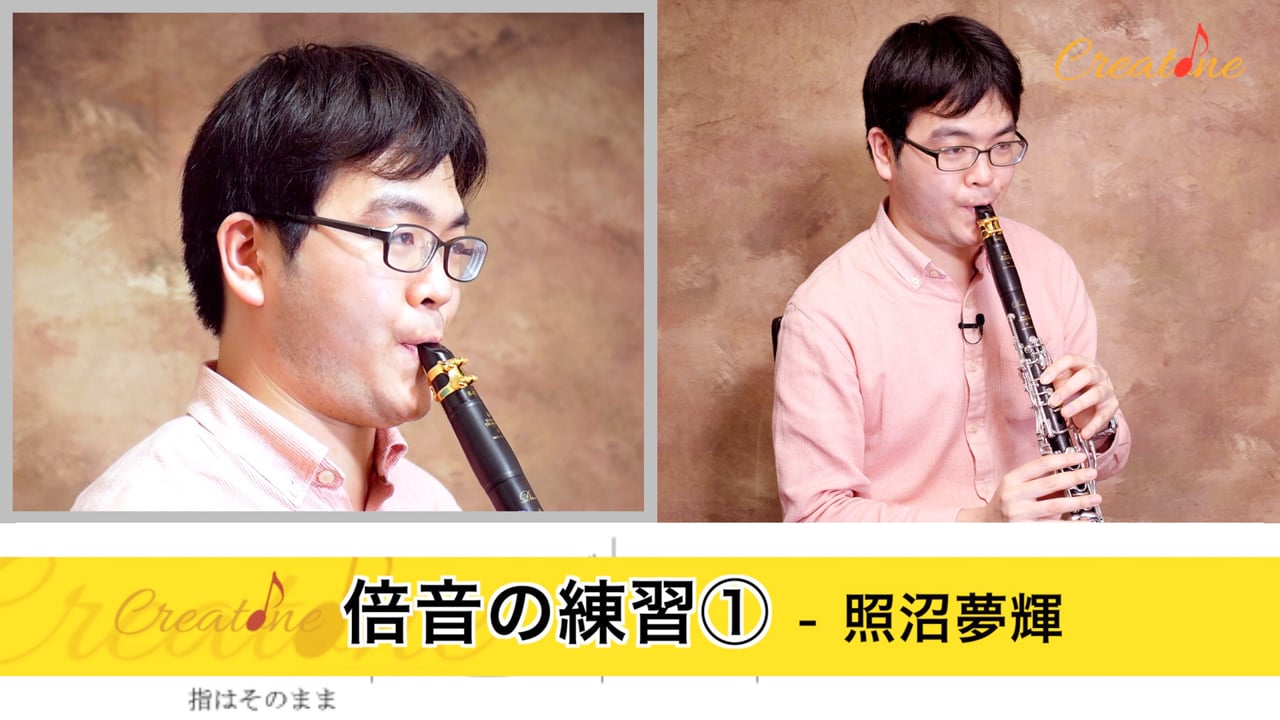
Clarinet Overtone Practice: Drawing Out Resonance Through Bite-Free Control
Clarinet overtone practice allows you to draw out beautiful resonance by controlling your embouchure with the sensation of releasing from the reed rather than biting. By comparing the incorrect example of tensing and biting when playing high notes with the correct example of easing lip pressure while directing a focused airstream, this lesson outlines a step-by-step practice method progressing from the 3rd overtone to the 5th overtone.

Mastering Oboe Scale Practice: Perfectly Synchronizing Breath and Fingers
Are you treating scale practice as nothing more than a finger warm-up? The key to improving on the oboe lies in synchronizing your air speed with your finger movements to stabilize pitch and tempo. Master breath control during ascending and descending passages, and achieve a smooth, connected flow of sound.
![[Horn] Right Hand Technique: The Essential Skill of Controlling Overtone Intervals](https://i.vimeocdn.com/video/1873111960-692f54ffc8f5a6c551aa2a8e57c6628847ea3e1ca53f733ea6dc80338ede6754-d_1280x720?&r=pad®ion=us)
[Horn] Right Hand Technique: The Essential Skill of Controlling Overtone Intervals
Right hand technique on the horn is not simply a method for adjusting pitch. The essence of the phenomenon where pitch drops when the hand is inserted and rises when removed lies in controlling the intervals between notes (overtone intervals). The hand should be shaped in a gentle arch as if scooping a small amount of water, with the back of the hand pressed firmly against the outside of the bell. By visualizing a circle running from the shoulder through the elbow, hand, and bell, you can develop a physical feel for right hand technique.
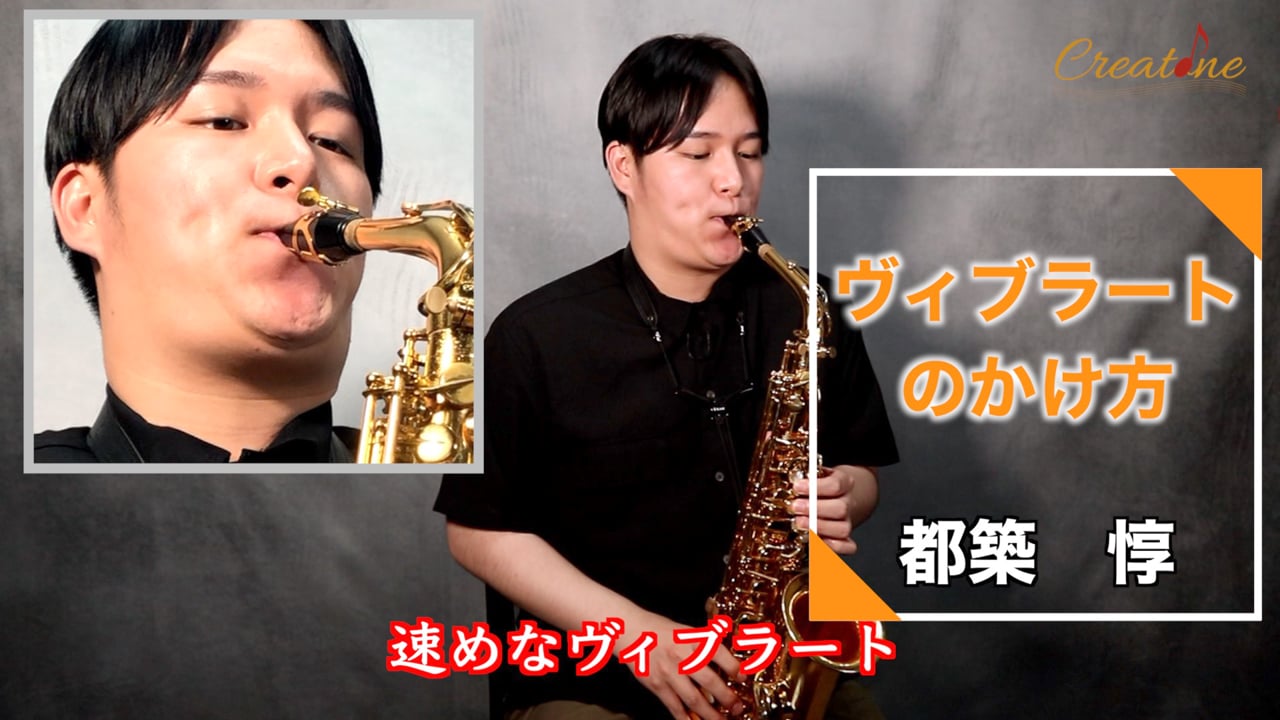
How to Apply Vibrato on Saxophone: Tips and Techniques for Maintaining Pitch
Vibrato on saxophone is an essential technique for enriching your expressiveness. However, many players struggle with issues such as pitch instability, an unsteady embouchure, or vibrato that doesn't match the character of the music. This article provides a detailed guide covering everything from the basics of vibrato to practical applications, comparing common mistakes with correct examples.
