


Mastering the Double Stroke on Percussion: Tips for Using Bounce Effectively
A thorough guide to the double stroke technique in percussion. Learn how to use bounce to produce two notes in a single stroke and practice methods for controlling dynamics.

Piccolo Setup and Holding Position: Building the Ideal Form for a Stable Tone
Because the piccolo is a small instrument, it is easy to lose balance in your holding position, which often leads to an unstable tone and pitch. While using the flute embouchure as a foundation, this lesson explains the optimal arm angle, finger placement, and fine adjustments for lip plate positioning specific to the piccolo. Build the ideal form that allows you to maximize the instrument's resonance without putting strain on your body.

The Definitive Guide to Choosing a Flute: Identifying the Right Instrument and Material Characteristics for You
When choosing a flute, selecting the right material and maker is a decision that shapes your entire musical life. The transparency of silver or the power of gold — from the versatility of each material to the ease of tonal variation, this article offers a detailed guide from a professional flutist's perspective on the criteria for making a choice you won't regret.
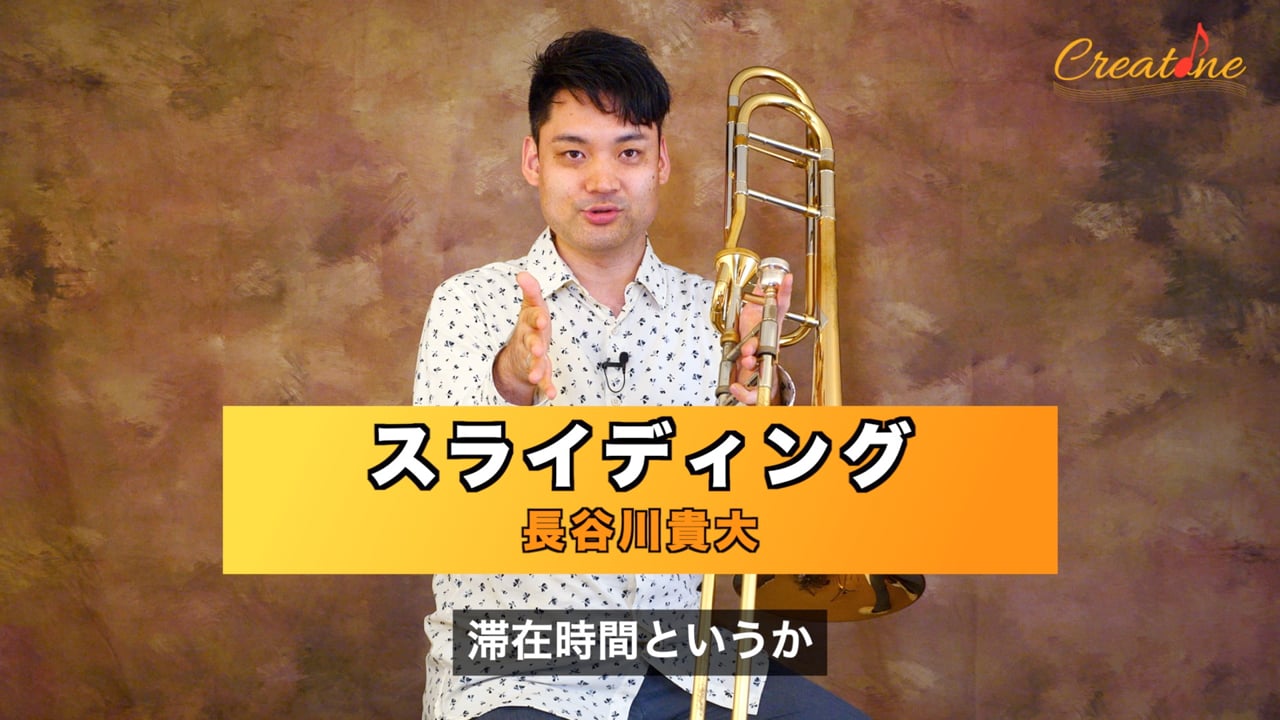
Trombone Slide Technique: Mastering the Art of Seamless Note Transitions
Slide technique is at the core of trombone playing. Are your notes cutting out or getting unwanted glissandos between them? By developing the right slide awareness and practice methods, you can dramatically improve note connectivity. This is a guide for every trombonist looking to revisit and strengthen their fundamentals.

Double and Triple Tonguing on Flute: Mastering the Tongue Technique for Fast Passages
Every flutist aspires to master high-speed double tonguing. Learn how to develop a clear 'K' articulation to break through the limits of single tonguing and combine it with 'T' for perfectly uniform sound. This lesson also covers triple tonguing patterns for triplet figures. Discover professional training methods for playing fast passages with brilliance and effortless agility.
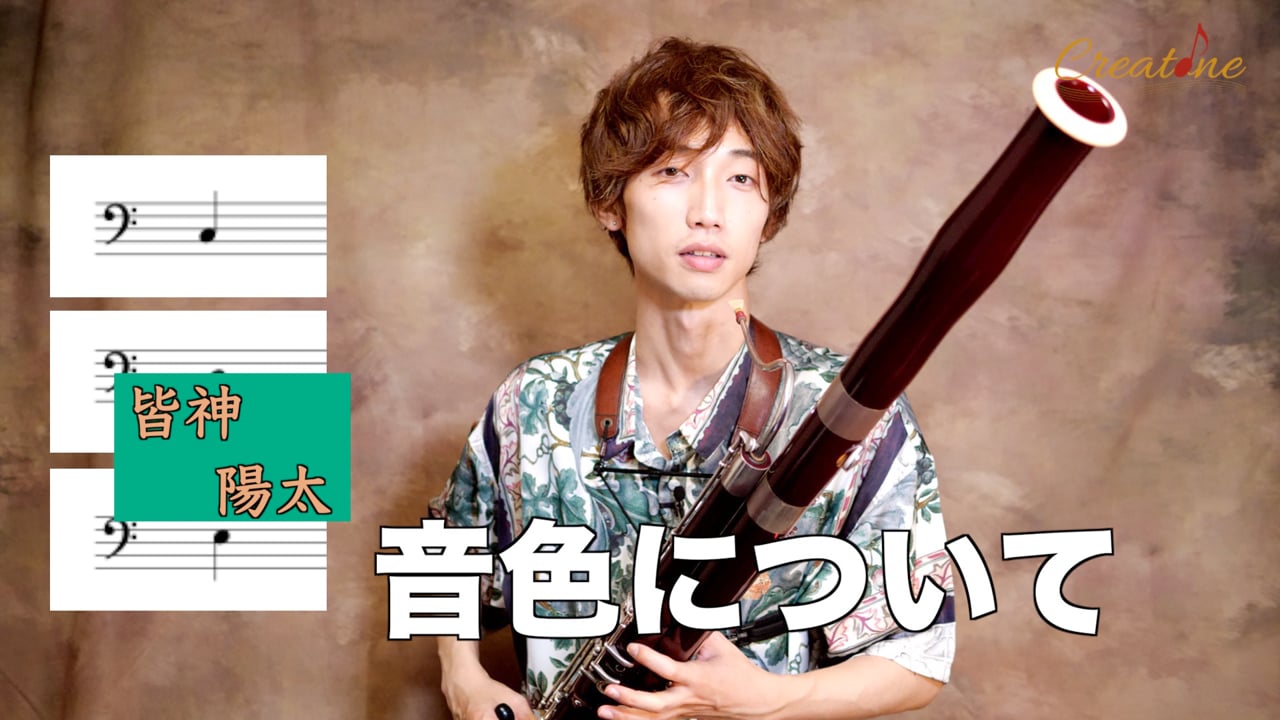
Improving Bassoon Tone Quality: Practice Steps for Understanding Each Register's Characteristics and Producing a Mellow Sound
In bassoon playing, producing a mellow tone is a goal many players strive for. However, the bassoon has significant tonal tendencies that vary by note, and simply changing the reed will not solve the problem. By understanding breathing technique and body usage, as well as the characteristics of each register, and playing without being controlled by the instrument's quirks, you can produce your natural sound and achieve a mellow tone quality. This article explains specific practice steps for improving bassoon tone quality through a comparison of poor and good examples.
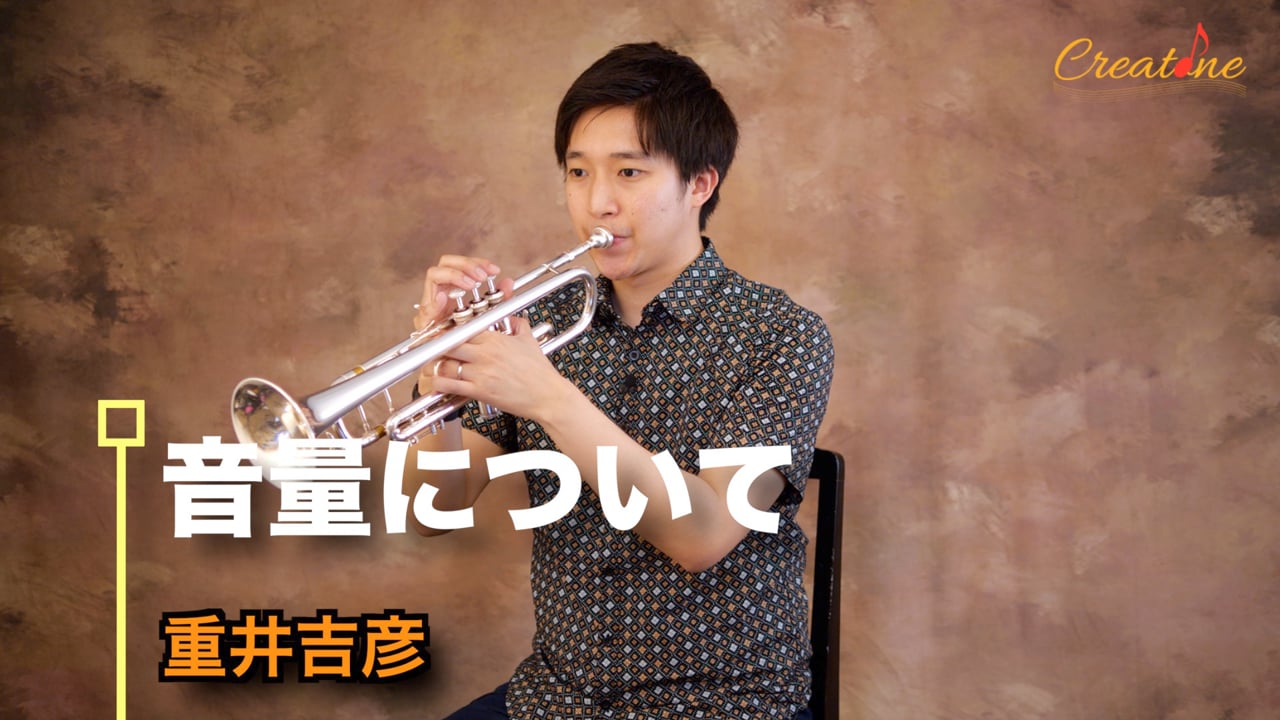
Trumpet Volume Control: Expressing Dynamics Without Relying on Tension
Trumpet volume control is not about simple volume changes through physical tension, but rather about being conscious of imagery such as distance and density. This article explains specific practice methods for effectively controlling trumpet volume, comparing NG and OK examples.
![[Clarinet] Eliminating Pitch Sharpness at the Moment of Attack: A Hidden Technique Using Breath Composition Control](https://i.vimeocdn.com/video/1845712479-377f2158aa81a3dfa86934dec9c0334bc3684444181a3175eda56656186cbe61-d_1280x720?&r=pad®ion=us)
[Clarinet] Eliminating Pitch Sharpness at the Moment of Attack: A Hidden Technique Using Breath Composition Control
When playing the clarinet, you may experience a phenomenon where the pitch goes sharp at the moment of attack, then settles back after one or two seconds. This is caused by the composition of your exhaled breath—the initial breath contains more oxygen, which causes the pitch to rise. This article provides a detailed Q&A explanation of a hidden technique: by releasing a small amount of breath before playing to let the oxygen escape and then blowing with breath that has a higher carbon dioxide content, you can lock the pitch precisely at zero from the very first moment. This technique is extremely effective for sustained notes and pitch-critical passages in orchestral and wind ensemble settings.

How Flutists Can Refine Their Sense of Meter: Feeling Rhythm in the Body and Giving Music Its Forward Momentum
Even when rhythms on the page are perfectly accurate, the music may still lack vitality. The cause lies in a missing sense of meter. Duple, triple, quadruple time — each meter carries its own unique energy flow. Learn how to understand these patterns and reflect them in your flute breath control. Free yourself from the tyranny of the metronome and discover a detailed method for vibrant, rhythmically compelling expression that naturally draws your audience in.

Clarinet Reed Care: How to Break In a New Reed and Manage Moisture
A clarinet reed is not ready the moment you open the package. By letting it adjust to local temperature and humidity, and gradually playing it in without over-saturating it with moisture, you can stabilize its response. Here is a structured approach covering the first month after opening.

Oboe Reed Selection: Key Points for Evaluating Tone Quality and Control
Selecting the right oboe reed is a crucial factor that directly affects the quality of your performance. When you can test-play reeds, check for tonal cohesion and how easily the sound opens up, using middle C to evaluate openness. Reeds whose sound spreads out even when you focus your air stream are difficult to control and should be avoided. When you cannot test-play, check whether the reed opening is in good condition, whether the two blades are misaligned when viewed from the front, and whether the fibers are rough or uneven. This article provides a detailed Q&A guide on how to select oboe reeds.

Rose 32 Etudes No. 2 for Clarinet: Mastering Light Technique and Musical Expression
Using No. 2 from Rose's "32 Etudes" — a bible for clarinet players — as our subject, we explain key points for simultaneously developing technical agility and musical flow.
![[Saxophone] Alternate Fingerings for Pitch Correction: Fingering Techniques and Embouchure Adjustments for Accurate Intonation](https://i.vimeocdn.com/video/1845663065-0b8a807e29d13e0b10d94da6fa8a1a3e034c13abdadee363e25da7cc08c704f1-d_1280x720?&r=pad®ion=us)
[Saxophone] Alternate Fingerings for Pitch Correction: Fingering Techniques and Embouchure Adjustments for Accurate Intonation
In saxophone performance, maintaining accurate intonation is fundamental to musical expression. In registers prone to pitch instability — such as upper C, E, D, and C-sharp — combining alternate fingerings with embouchure adjustments enables you to achieve ideal pitch. By practicing with an awareness of playing in unison and mastering specific fingerings through a practical approach, you can stabilize your saxophone intonation and achieve more musical expression.

Clarinet Guide: Right-Hand Training — Mastering Difficult Finger Technique
Right-hand training is essential for clarinet players. Sharp-heavy key signatures demand complex movements of the right pinky and ring finger. This article covers tips for pressing keys simultaneously to avoid blurred notes, choosing the most efficient fingerings for fast passages, and the traditional 'sliding finger' technique found in historic method books. Learn to think ahead and select fingerings for smoother playing.

Mastering Flutter Tonguing on the Saxophone: Two Approaches Using Tongue Rolling and Throat Flutter
There are two methods for flutter tonguing on the saxophone: tongue rolling and using the throat (back of the tongue). This article focuses specifically on throat flutter, providing a detailed guide on the gargling motion of raising the back of the tongue, tips for maintaining air speed, and practical exercises for daily training.
![[Trombone] The Art of Position Selection: Tonal Color Variation Through Valve Usage and Musical Application](https://i.vimeocdn.com/video/1872843464-c46f6822e53fc63734187ececaeacd7d3a30d0782275aa7adb99ee34269df144-d_1280x720?&r=pad®ion=us)
[Trombone] The Art of Position Selection: Tonal Color Variation Through Valve Usage and Musical Application
The bass trombone allows you to play a single note in multiple positions. But did you know that each position produces a different tone color? Open and resonant versus dark and covered. Learn the professional strategies for selecting positions to match the character of the music.

The Foundation of Saxophone Playing: Proper Posture and the Art of Fitting the Instrument to Your Body
When it comes to improving on the saxophone, posture is the starting point for all technique. Move beyond the common misconception of simply straightening your back, and learn the professional approach of lowering your center of gravity and adjusting your strap to fit the instrument to your body. This article provides a detailed guide to achieving the ideal form that facilitates easier breathing and draws out the saxophone's true resonance.

Breathing Technique for Horn: Mastering Deep Breaths by Differentiating Between Inhalation and Exhalation Muscles
In horn performance, breathing is the foundation of everything. Utilizing the ribcage for deep inhalation and engaging the back muscles for stable exhalation — this article provides a detailed explanation of how professional players separate and control the 'inhalation muscles' and 'exhalation muscles,' along with a lying-down training method that will help you achieve deep, effortless breathing.
![[Horn] Tone Color and Tone Quality: You Can Shape Your Tone Color by Aiming Your Air at the Core](https://i.vimeocdn.com/video/1845757922-910e1e59a0aaec5f90b7f7a419562b4d4fad54dd0501f2b7b382fb0f7b387e67-d_1280x720?&r=pad®ion=us)
[Horn] Tone Color and Tone Quality: You Can Shape Your Tone Color by Aiming Your Air at the Core
While horn "tone quality" is largely determined by physical traits, "tone color" is something you can develop through practice. The key is to reproduce the point where a stopped tone buzzes clearly — by directing the air downward and hitting the center — even when playing open. By correcting the tendency to blow upward at an angle and instead visualizing a specific spot on the mouthpipe to aim your air at, you can build a centered, resonant sound at any dynamic level, from forte to piano.
![[Bassoon] Conquering Fast Passages! A Checklist for 'Visualizing' Your Finger Movement](https://i.vimeocdn.com/video/1845674046-3ed5832267b40323c2c6176a60a1baf8cad06c4af77af4a830c6b8a0d60143f6-d_1280x720?&r=pad®ion=us)
[Bassoon] Conquering Fast Passages! A Checklist for 'Visualizing' Your Finger Movement
Fingers stumbling during fast passages on the bassoon, or struggling with stability? To solve these issues, we teach a groundbreaking self-analysis technique using smartphone slow-motion playback and variation exercises to improve finger independence.